
 By
By Small island states tend to be democracies because their small population size and geographical insularity create close links between citizens and politicians, foster strong community cohesion, and make large-scale authoritarian oppression difficult to sustain.
According to research findings, the relationship between island status and institutional quality is significantly positive.
A number of studies suggest that small island states are more likely to be democratic than others, regardless of levels of economic development. The British Commonwealth islands, especially, have done very well on indices of political and civil rights and have provided the basis for vibrant civil societies.
On the other hand, their size, remoteness, and dependence on tourism and agriculture make them vulnerable. Smallness means the impact of natural disasters and climate change threatens people’s lives and livelihoods.
The Emergence of the Small Island Developing States
To tackle the small island states’ multifaceted challenges, the United Nations recognized them as a distinct group of developing countries in 1992.
These interrelated challenges include climate change impacts, ocean degradation, limited resources, and structural vulnerabilities, while also demonstrating leadership and innovation in advancing sustainable development.
There are 39 Small Island Developing States (SIDS) according to the UN.
The three geographical categories where the SIDS are situated:
- Africa, Indian Ocean, Mediterranean, and South China Sea (AIMS)
- Caribbean
- Pacific
The UN also classifies small island nations like Comoros, Guinea-Bissau (though it is situated on the continent, Guinea-Bissau has many islands and islets off its coast that put it in the category of SIDS), Haiti, Kiribati, the Solomon Islands, Timor-Leste, and Tuvalu. These states simultaneously face limited economic development and significant democratic deficits because of their vulnerability to external shocks.
The long-term macroeconomic fallout extends far beyond initial physical destruction.
Without aggressive climate adaptation measures, SIDS face an estimated $476 billion in cumulative damages by 2050.
Recent UN global summits have established the Antigua and Barbuda Agenda for SIDS (ABAS), as highlighted by the SIDS Centre of Excellence. This international framework outlines a transformative vision for sustainable financing, capacity building, and innovative debt-relief mechanisms.
Embracing this strategic shift, the Prime Minister of Samoa and Chair of the Alliance of Small Island States (AOSIS), Fiame Naomi Mataʻafa, declared in a UN ECLAC Publication that “the ABAS is our guiding light,” adding that “SIDS believe that a better world is possible and that we can right our sails and create a world where our resilient prosperity is a reality.”
Although a large proportion of the SIDS are classified as middle-income nations, their economic stability remains deeply fragile. A single natural disaster can immediately derail decades of domestic growth.
For example, a devastating tsunami in 2009 cost Samoa a staggering quarter of its annual GDP.
Similarly, nations like Grenada in the Caribbean routinely suffer catastrophic infrastructure losses from intense hurricanes.
In regard to their disproportionate share of global climate injustice, the United Nations DRR Report notes bearing the brunt of severe environmental damages despite contributing minimally to global emissions.
In terms of their form of government, some of the small island states are constitutional monarchies, while the majority are republics. All of the monarchies except Tonga are part of the British Commonwealth.
The independent island states in the Pacific subscribe to a high extent to democratic values, standards, and institutions managed without political parties.
Namely, Palau, the Federated States of Micronesia, Kiribati, Nauru, and Tuvalu. These Pacific Island states all have stable democratic institutions and a strong commitment to transparency and the rule of law.
The SIDS located in the Caribbean form another category with regard to their political systems.
They inherited the Westminster parliamentary system from their British colonial history. These are constitutional democracies that rely on a strong two-party system and the rule of law. The British often left behind strong legal and administrative structures (common law, property rights) in these former colonies, which laid the foundations for modern economic freedom.
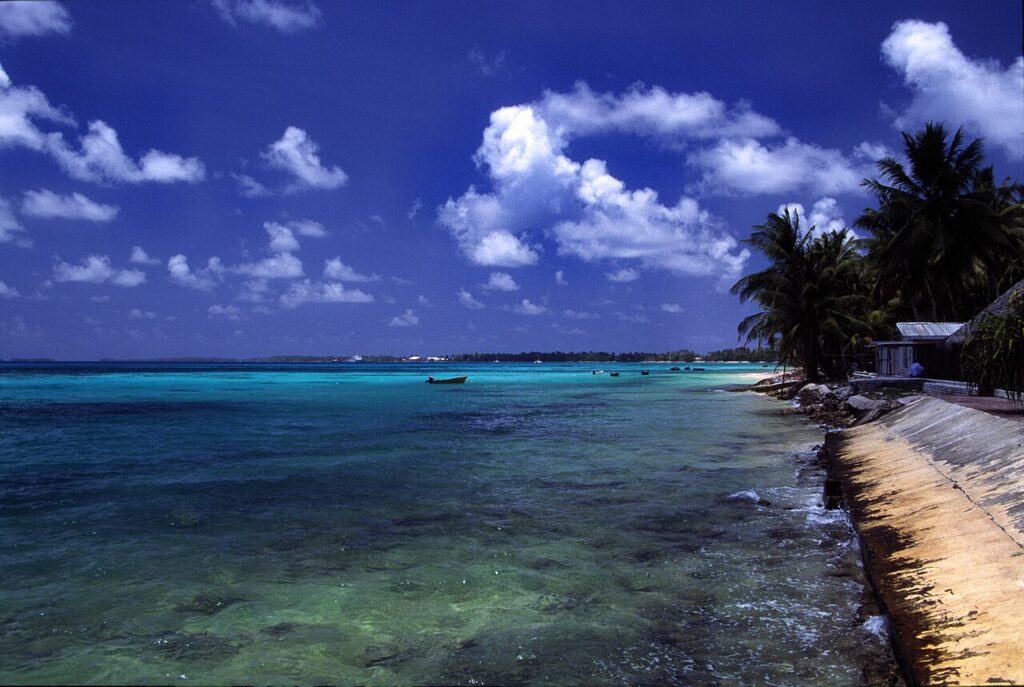
A beach at Funafuti (Tuvalu) atoll. Photo by Stefan Lins – Flickr.com, CC BY-SA 2.0,
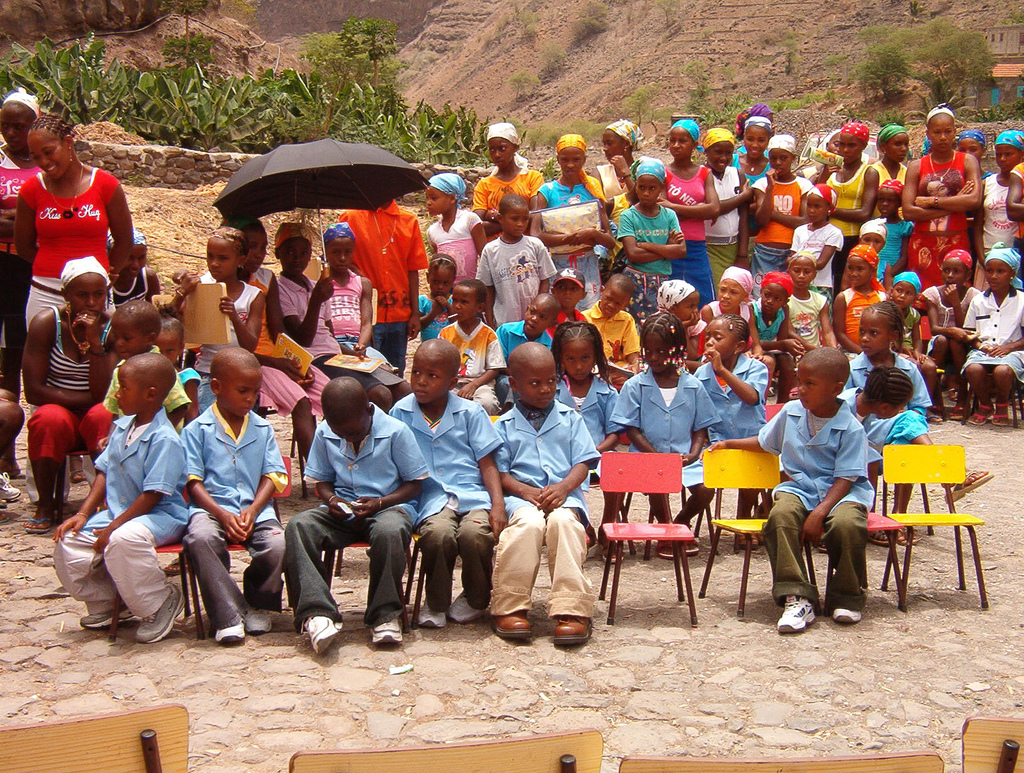
A kindergarten graduation on Santiago Island, Cape Verde. Photo: DuncanCV – CC BY-SA 2.0,
What Makes Small Island States More Democratic?
The five small African island states tend to be more democratic and freer countries than their large continental counterparts.
Four of five African small island states (Mauritius, Cape Verde, and Sao Tome and Principe) are democracies with high levels of citizen rights and freedom.
While Seychelles made a big improvement to become a free country in the Freedom House list, the political crackdowns on the opposition and constitutional changes in Comoros degraded its democracy.
Case of Cape Verde, a Model Democracy in Africa
Unlike many other African states, Cape Verde is a nation-state in the classical sense, with citizens who share a common language, culture and religion. Today, Cape Verde has one of Africa’s most stable two-party democratic systems.
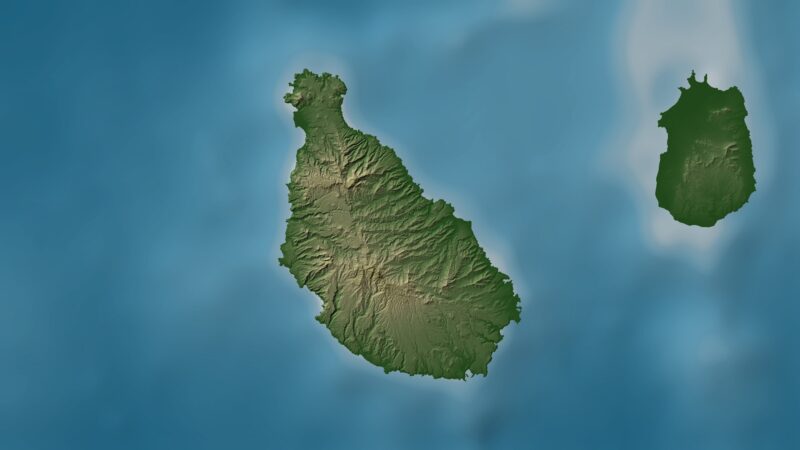
The country consists of ten major volcanic islands and numerous smaller ones, which have a largely rocky, barren landscape. The islands are located around 570 kilometers off the coast of West Africa in the Atlantic Ocean.
The fact that natural rainfall is completely absent during certain periods and is difficult to replace has two distinct effects on the inhabitants: the negative effect is the limitation of agricultural production and, consequently, dependence on external imports.
Conversely, this environmental challenge may even strengthen social cohesion.
The current social and economic situation in the Cape Verde Islands stems from a number of historical factors. The islands, which were uninhabited until the arrival of the Portuguese in the 15th century, are now home to a population comprising several African and European ethnic groups.
The Cape Verdean nation was formed through the mixing of white colonisers and black slaves; 71 percent of the current population are Creoles, that is, the descendants of both Africans and Europeans. The ancestors of the African slaves brought to the island probably originated from the regions of Senegal and Sierra Leone.
The influence of Portuguese explorers and colonizers on the islands is undeniable: the country’s official language is Portuguese, and 85 percent of the population is Christian.
Further strengthening the ties with the former colonial power is the fact that Cape Verde is a member of PALOP (the group of African countries that use Portuguese as an official language), which means that many Cape Verdeans study in Portugal and Brazil.
From Postcolonial Struggles to the Leader of Democracy
Following the initial difficulties of independence in 1975, the country embarked on a path of rapid development, and Cape Verde is now regarded as one of the most developed African countries of the 21st century.
Under Portuguese rule, Cape Verde enjoyed a unique status among Portugal’s African colonies. A well-educated local elite held most administrative positions, both on the islands and across the Portuguese Empire, particularly in Guinea-Bissau, Angola, and Mozambique. As a result, support for independence emerged relatively late.
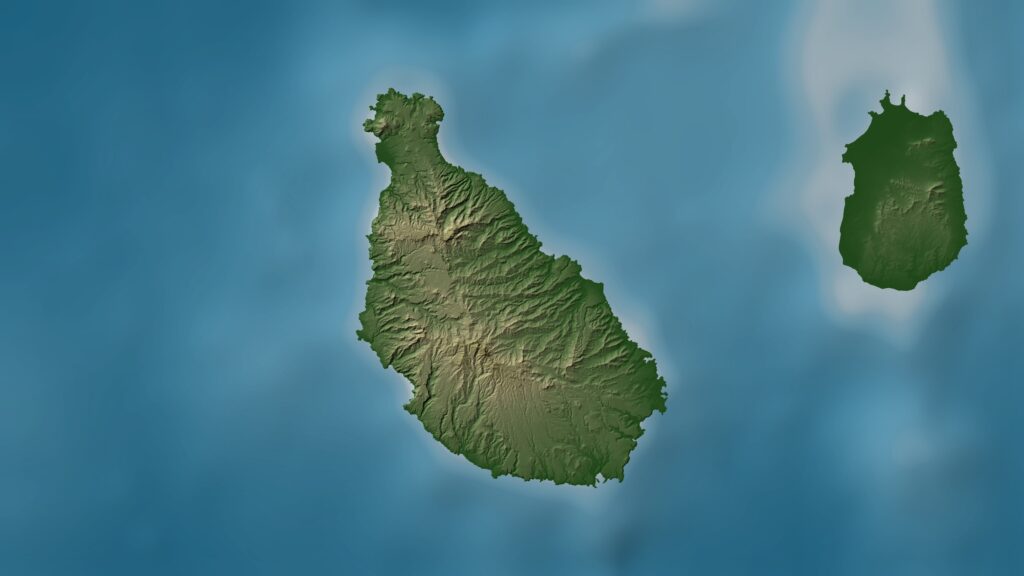
Santiago Island, Cape Verde Photo: Shutterstock
Ultimately, it was the Cape Verdans who became the facilitators of the independence movements in the PALOP countries. For instance, in 1956, Amílcar Cabral co-founded the PAIGC (Partido Africano da Independência da Guiné e Cabo Verde), which led the independence struggle for both Guinea-Bissau and Cape Verde.
Following Portugal’s Carnation Revolution (1974), Cape Verde gained independence on 5 July 1975.
After independence, the PAIGC established a one-party state. Following the 1980 coup in Guinea-Bissau, Cape Verde’s branch became the PAICV, which governed until the country’s peaceful transition to multi-party democracy in 1991.
Currently, the PAIVC provides both the presidency of the nation and the prime ministership. Furthermore, they hold a narrow majority in parliament.
The Cape Verdean National Assembly (Portuguese: Assembleia Nacional) has 72 seats, and it is elected for five years through proportional representation. Politics is dominated by two parties: the Movement for Democracy (MpD) and the PAICV.
Freedom House scores the country 92/100, placing it among the freest nations in Africa, and it has the same score as the United Kingdom.
Cape Verde has maintained exceptionally close ties with Portugal and the European Union. Since 2007, it has enjoyed a unique EU–Cape Verde Special Partnership, the only agreement of its kind between the EU and an African country, focusing on governance, security, trade, mobility, and the blue economy.
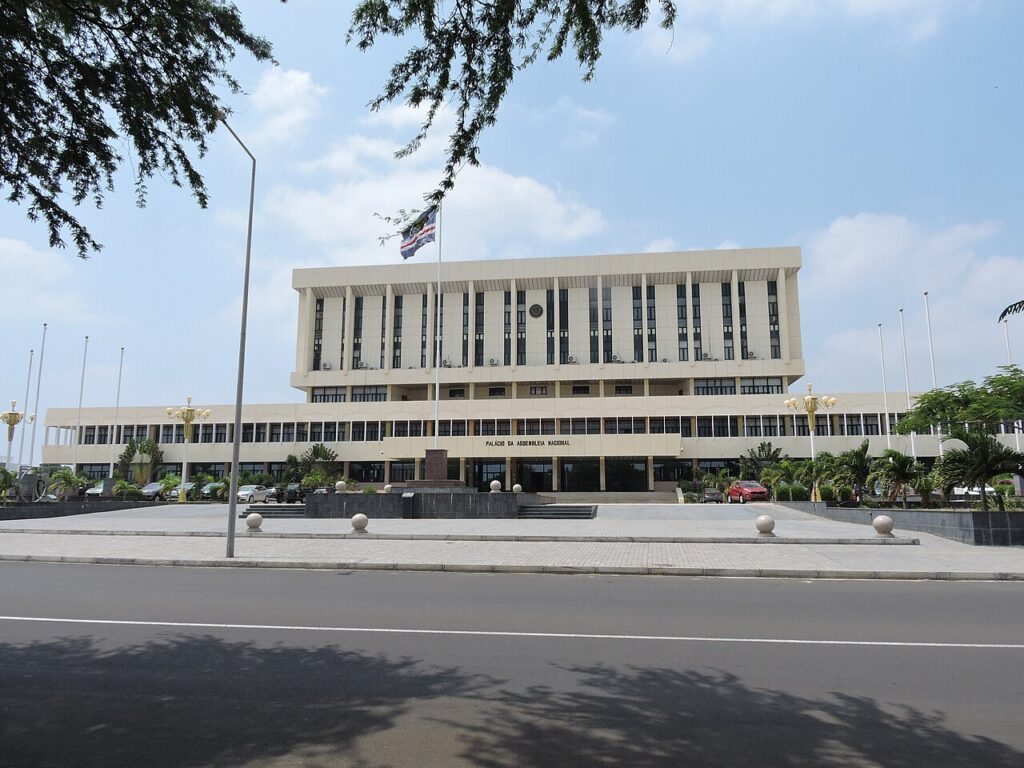
House of Parliament in Praia, Cabo Verde. Photo by VIEX – Ernest Niedermann/ Wikipedia Commons
In 2005, former Portuguese president Mário Soares proposed that the island nation should join the European Union.
Economy & Society
Although the UN graduated Cape Verde from the Least Developed Countries (LDC) category in 2008, its economy still depends heavily on tourism, remittances, and foreign investment.
The Cape Verdean diaspora is estimated at 700,000–1 million people, exceeding the country’s resident population of roughly 530,000, their remittances a major source of national income.
Economic performance has improved significantly in recent years. According to the World Bank, unemployment fell to 6.2 percent in 2025, although youth unemployment remains considerably higher.
Life expectancy at birth is 72 years, which is ten years higher than the West African average.
The level of education is also high, with the literacy rate standing at 91 percent amongst adults and a whopping 98.7 percent amongst 14–25-year-olds.
The country’s Human Development Index (HDI) is usually among the top 10–15 African countries, alongside countries like Mauritius, Seychelles, Botswana, and South Africa.
Cape Verde is an open, non-violent society; the country is also known as a ‘no-stress country’. The island nation is widely regarded as one of Africa’s safest and most peaceful countries, with low levels of violent crime.
Its Atlantic location, however, makes it an important transit point for cocaine trafficking between Latin America and Europe, prompting close cooperation with the EU on maritime security and organized crime.
The secret to Cape Verde’s success is that it started from a better position than many young African countries. Moreover, the PAICV was better organized than many African parties, which had led guerrilla wars but had no vision for their countries’ future.
Of course, this also required a level-headed approach from the party’s leaders, for although it could have developed into one, the 16-year one-party system never became a dictatorship. And they have a very sympathetic football team as well, which also placed Cape Verde on the map.