
 By
Who are the Houthis, and what are their goals? How much do they depend on Iran? How can the eight-month US/Israeli-Iranian war be resolved? What role does Iraq play in Iranian foreign policy after the US withdrawal?
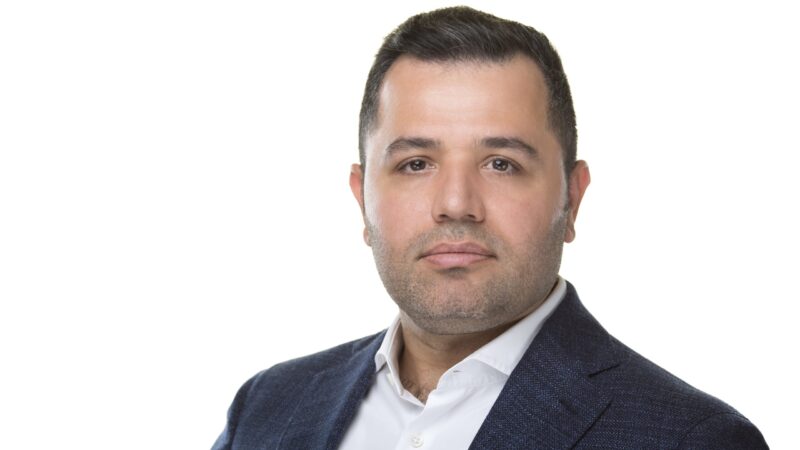
We sat down with Muhanad Seloom, Assistant Professor at the Doha Institute for Graduate Studies, non-resident senior fellow at the Middle East Council on Global Affairs, to understand what is happening in the Gulf region.
Emergence of the Houthis
Who are the Houthis? How did their movement emerge?
The Houthis are a Yemeni people, a group of people who are from a certain Islamic sect called Zaydis. Although they are commonly described as Shia, this classification can be misleading. Zaydism differs significantly from the Twelver Shiism practiced in Iran and followed by Hezbollah in Lebanon.
In religious doctrine, Zaydis are closer to Sunnis in certain respects. For instance, they believe that every verifiable writing should be taken seriously.
It is misleading to assume that the Houthis are naturally aligned with Iran simply because both are described as Shia. For instance, in the 1980s Ayatollah Khomeini declared Zaydis blasphemers.
Their relationship is primarily political and strategic.
How did the Houthi movement become such an influential political and military force?
Initially, the Houthis were a relatively small movement concentrated in Yemen’s northern mountains. Badreddin Al-Houthi, the father of the current leader Abdul-Malik, was a religious leader from Yemen’s Saada governorate. He helped found the Party of Truth in Yemen and served as the Houthis’ spiritual leader.
His eldest son, Hussein al-Houthi, an early leader of the movement, was killed by Yemeni government forces in 2004. Hussein’s brother, Abdul-Malik al-Houthi, subsequently emerged as its leader.
The Saudis very early perceived Hussein as a major threat because they knew that he was close to the Iranians.
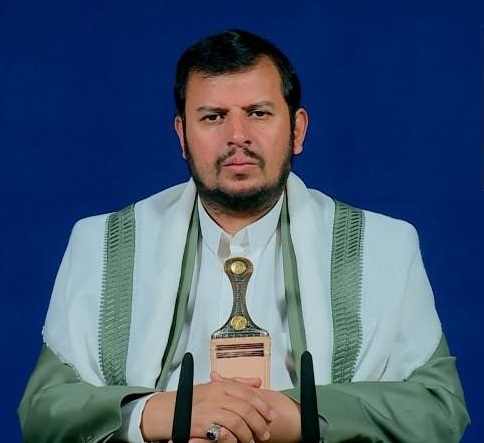
1. Image of Abdul-Malik Badr al-Din al-Houthi, CC.BY.2.0
Meanwhile, the Houthis radicalized and adopted an anti-Western, anti-Israeli attitude, and they launched an insurgency against Yemen’s central government led by Ali Abdullah Saleh.
Interestingly, Saudis supported the Houthis at some point because they fell out with Saleh. In response, Saleh went to the Houthis and offered them an alliance.
Saleh’s changing alliances gave them access to resources, weapons, territory and legitimacy. The movement expanded by exploiting Yemen’s internal divisions and tribal politics. Its relationship with former president Ali Abdullah Saleh was particularly important.
Since then, the Houthis have continued to rely on alliances with tribes whose interests are not necessarily sectarian. These relationships are often based more on tribal identity, political interests, and local grievances than on religious affiliation.
Another crucial factor was certain tribes’ dissatisfaction with Saleh’s leadership. The Houthis needed allies beyond their original religious constituency, and Yemen’s internal divisions helped them gain that support.
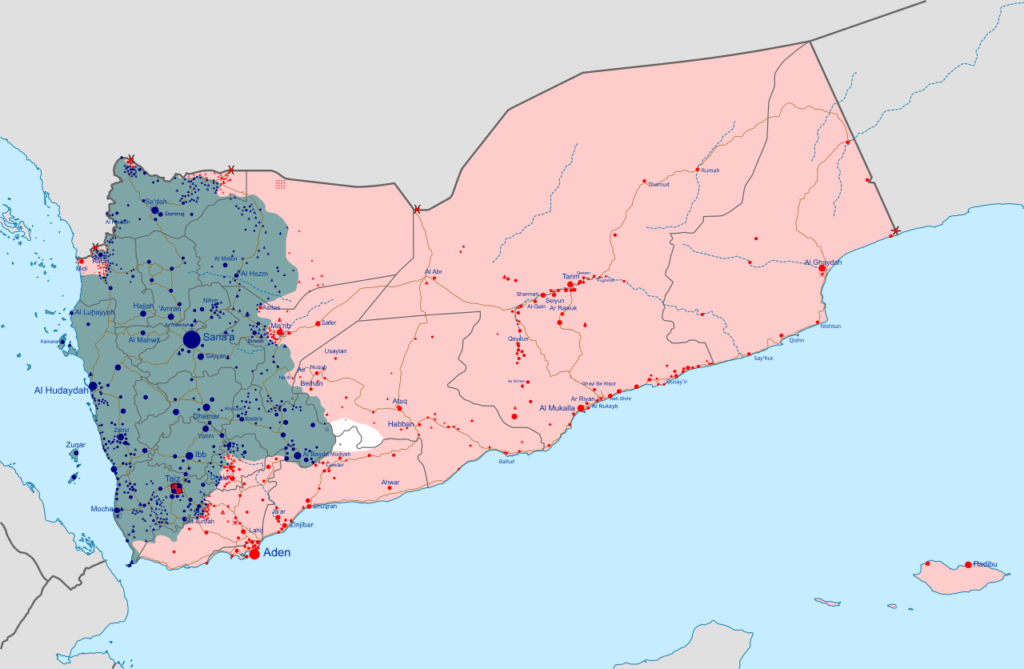
Territory controlled by the Houthi movement, CC BY-SA 4.0
The Houthis took control of Sana’a in September 2014. This prompted Saudi Arabia to say it would not allow the Houthis to become president. So, in 2015, the Saudi-led military intervention began. The alliance between Saleh and the Houthis eventually collapsed. Houthi forces killed Saleh in December 2017.
This was when Iran recognised the strategic value of supporting the Houthis.
Their position in Yemen gave Tehran another means of surrounding Saudi Arabia: they have the Iraqi militias, the Houthis, then the Assad regime, and Hezbollah in Lebanon, all of which were Iranian Revolutionary Guards’ assets.
How much control does Iran actually exercise over the Houthis? Are they simply an Iranian proxy?
The word “proxy” requires some explanation. Every proxy has agency. These movements have their own interests, grievances and political objectives.
Iran does not necessarily control theHouthis’’ daily decisions or military operations. Tehran’s grand strategy is to make them sufficiently dependent on Iranian support that their activities remain compatible with Iran’s broader regional strategy.
For example, if Iran wants to threaten maritime trade through the Bab al-Mandeb Strait, it can encourage thes Houthis to act. But the Houthis may decide the operational details—how to conduct attacks, which weapons to use, and which targets to select.
Iran provides assistance when it serves its interests, including weapons, financing and other forms of support.
At the same time, the Houthis can independently negotiate alliances with Yemeni tribes or pursue local political objectives. The relationship is therefore not one of absolute control. It is a strategic partnership built on mutual interests and dependency.
Can the Houthis eventually take control of all Yemen?
I consider that highly unlikely. They have not demonstrated the capacity or political will to govern the entire country.
If you look at Yemen today, the Houthis have never managed to control everything, because there are people who are against them.
Also, the Houthis lack the mentality to form a government. The Houthis remain fundamentally a revolutionary movement with a strong militia identity. Their administration in the territories they control has been associated with serious abuses and repression. There are also major concerns about corruption.
My assessment is that the Houthis would rather maintain control over their existing territories, potentially within a divided Yemen, as Iran and the UAE have promised them.
So, the division of Yemen could become a political reality?
Yes, that is a realistic possibility.
The Houthis’ unwillingness to engage seriously with other tribes suggests that they are not particularly interested in creating an inclusive national government.
And they did not seek to have any diplomatic representation in any country. You would never hear al-Houthi on TV in the past 10 years talking about international law, the international system, or the United Nations. The only way he wants to deal with the UN is when the UN brings them money or food.
So, I think this is a very clear indication that they don’t want to become a state.
If a country wants to become a state, it seeks things that make it look like diplomatic relations.
Given the security threats posed by the Houthis, could the United States intervene again to help Saudi Arabia? Is a diplomatic settlement possible?
I do not expect the conflict in Yemen to end soon, and I see little prospect of an immediate diplomatic breakthrough.
My assessment is that the Saudis and the Yemeni government both decided that the military solution at this point is the only solution and that once they prevail over the Houthis, then they will offer the diplomatic option.
There were so many opportunities to talk to Houthis. The United States also has other strategic priorities. Washington is unlikely to devote substantial additional resources to Yemen unless the Houthis threaten international shipping through Bab al-Mandeb.
An important precedent was the US–Houthi cessation-of-hostilities arrangement announced through Omani mediation in May 2025. That demonstrated that limited understandings were possible even without a comprehensive political settlement.
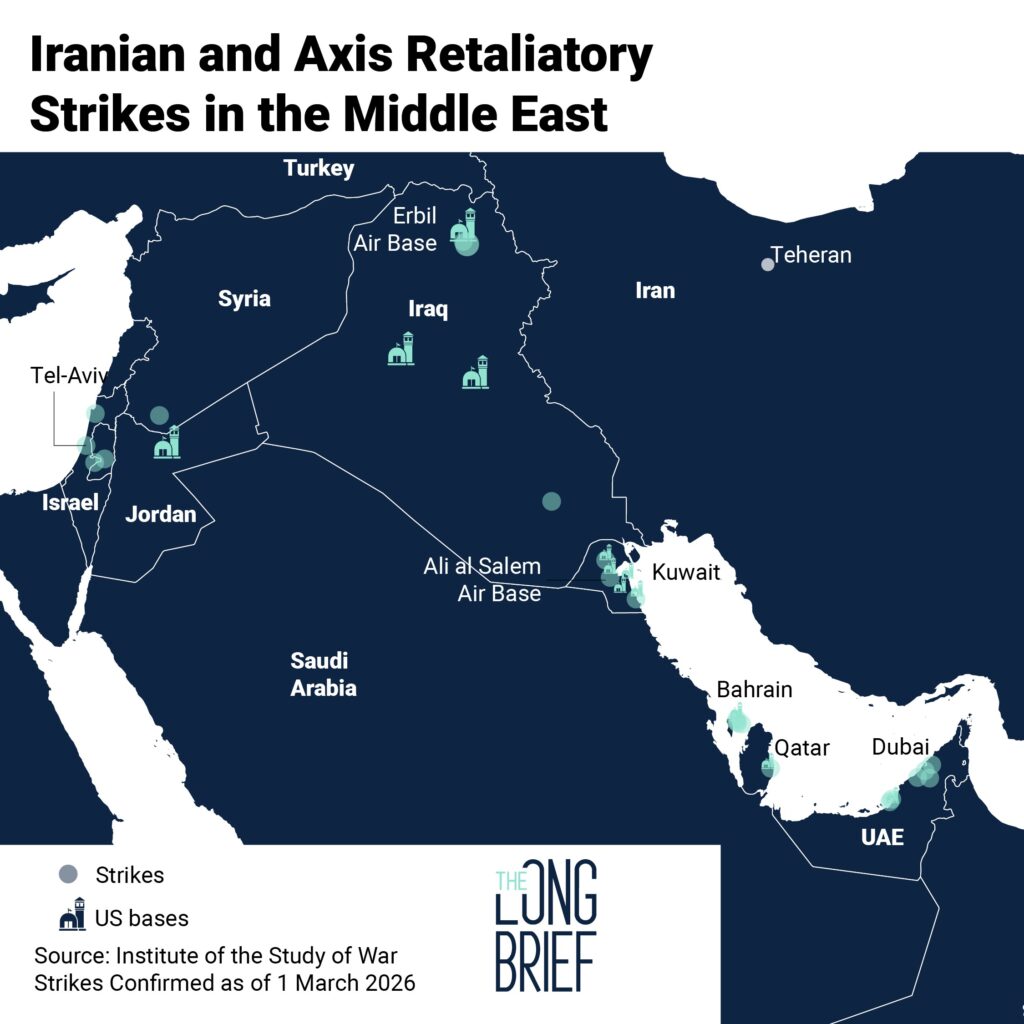
Confirmed Iranian Strikes in the Middle East as of March 2026
Whether such an arrangement can survive a wider regional confrontation is another question.
I expect both sides to avoid unnecessary direct hostilities where possible. However, a wider war involving Iran could change the calculation.
How could the Iran War be Concluded?
Turning to Iran, how do you see the confrontation with the United States developing? Is another major military escalation likely?
This is probably the 1-trillion-dollar question in the region. I believe American patience with Iran is running out. I do not expect domestic political developments, including the U.S. midterm elections, to change Washington’s strategic objectives fundamentally. Several important factors explain why I say this.
First, Russia is attempting to play a mediating role. Moscow understands the risks of a major American attack on Iran and has an interest in preventing uncontrolled escalation.
But Russia also has economic interests. Moscow will benefit if they get the 450 kilograms of highly enriched uranium from Iran. Iran would have to pay money to Russia to hold the uranium and manage it. Moscow is already making money by managing the Bushehr reactor’s heavy water.
Second, the Gulf states are increasingly concerned about the economic and security consequences of prolonged confrontation.
They cannot indefinitely tolerate instability that threatens their trade, energy exports and national security.
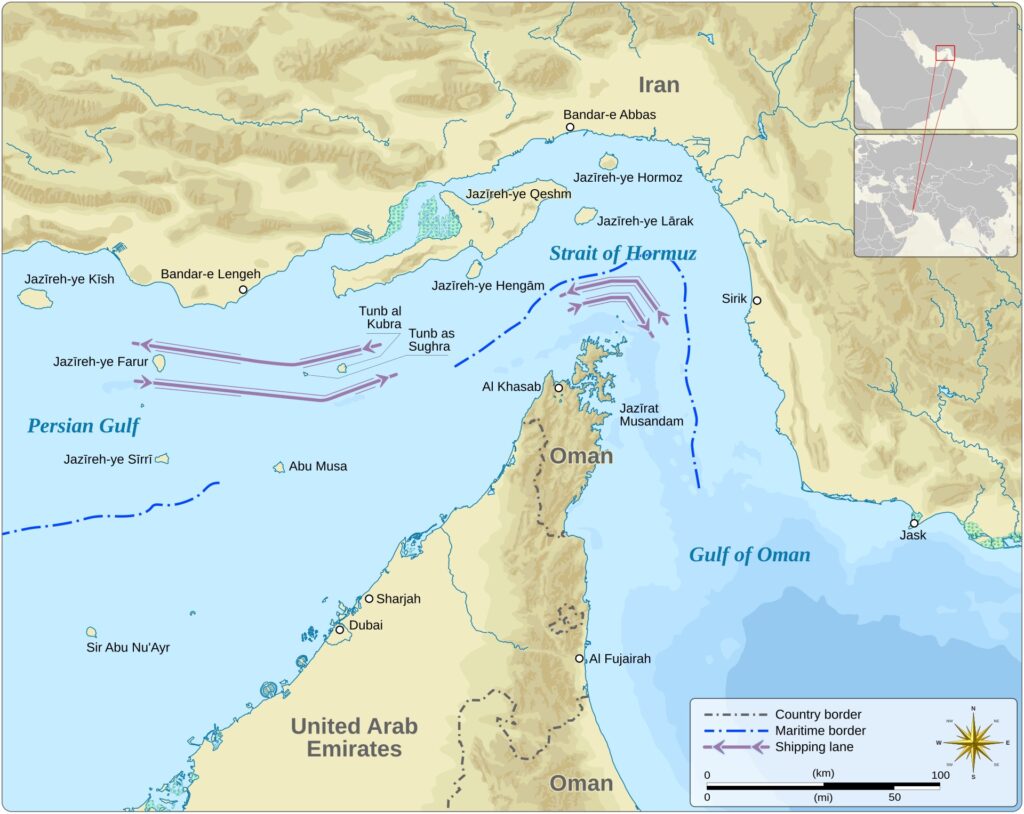
Map of Strait of Hormuz. Source: Goran_tek-en on Wikimedia Commons
Third, Israel remains determined to reduce Iran’s regional influence. Hamas and Hezbollah have suffered severe damage, only Iran remains a central unresolved challenge from Israel’s perspective.
Prime Minister Benjamin Netanyahu wants to leave a legacy of having neutralised Israel’s principal security threats.
Iran’s economy is also under enormous pressure, further limiting Tehran’s options. I cannot predict precisely what will happen, but I assess that another war is approaching unless Iran makes substantial concessions. I find it extremely unlikely that Washington will simply withdraw its demands and accept Iran’s preferred terms.
One of Iran’s demands concerns the Strait of Hormuz. Why is this so important?
Iran wants to make control of the Strait of Hormuz a symbol of strategic victory. But this is not going to happen.
In my assessment, Tehran is seeking greater authority over shipping through the strait (of Hormuz), potentially including financial control over the energy exports of Gulf Cooperation Council (GCC) countries.
For the Gulf states, that would be unacceptable. They would prefer war over Iran imposing a tax on their wealth. Their economies depend heavily on maritime trade, particularly energy exports. Allowing Iran to exercise such authority would compromise their sovereignty and economic independence.
Another important development is that Mohammad Bagher Ghalibaf, the Speaker of the Iranian Parliament and a former senior commander in the Islamic Revolutionary Guard Corps, has said the GCC countries should not build data centers for Western AI companies.
Because, as he said, these countries are killing our children using AI. The Iranian Foreign Minister Abbas Araghchi confirmed this is official Iranian policy.
The Persian Gulf Data Authority is coming. To governments, funds, and firms in the region: you are kindly advised to give no resources to any AI or data company aiding invasions or killing children. No finance, equity, land and energy.
Assist them and face our enforcement.— محمدباقر قالیباف | MB Ghalibaf (@mb_ghalibaf) October 18, 2026
Although Gulf governments publicly emphasise diplomacy and mediation, they would not accept a settlement that effectively gave Iran the power to tax or control their international trade.
This is one reason the confrontation is so difficult to resolve. Iran seeks recognition of its regional power, while its neighbors see some of its demands as direct threats to their sovereignty. My assessment is that the Iranian regime will fall eventually. If a military air campaign is coupled with an internal uprising, the regime will fall.
At the same time, nobody wants Iran itself to collapse. The disintegration of the Iranian state would create enormous instability across the region. That is the ultimate nightmare for practically everyone involved.
Iraq’s Role in the Conflict
Let’s turn to Iraq. Is Baghdad still closely aligned with Tehran?
Iraq is increasingly distancing itself from Iran. That is one of the most important developments in the region.
There are still armed organisations, including Katai’b Hezbollah and Harakat al-Nujaba, that maintain close relationships with Iran’s Islamic Revolutionary Guard Corps.
These groups remain strongly aligned with Tehran, but they do not represent the overall direction of Iraqi politics. The Iraqi government is trying to establish a more independent position, and even parts of the Popular Mobilisation Forces, or Hashd al-Shaabi, are moving in that direction.
Several indications point to this shift.
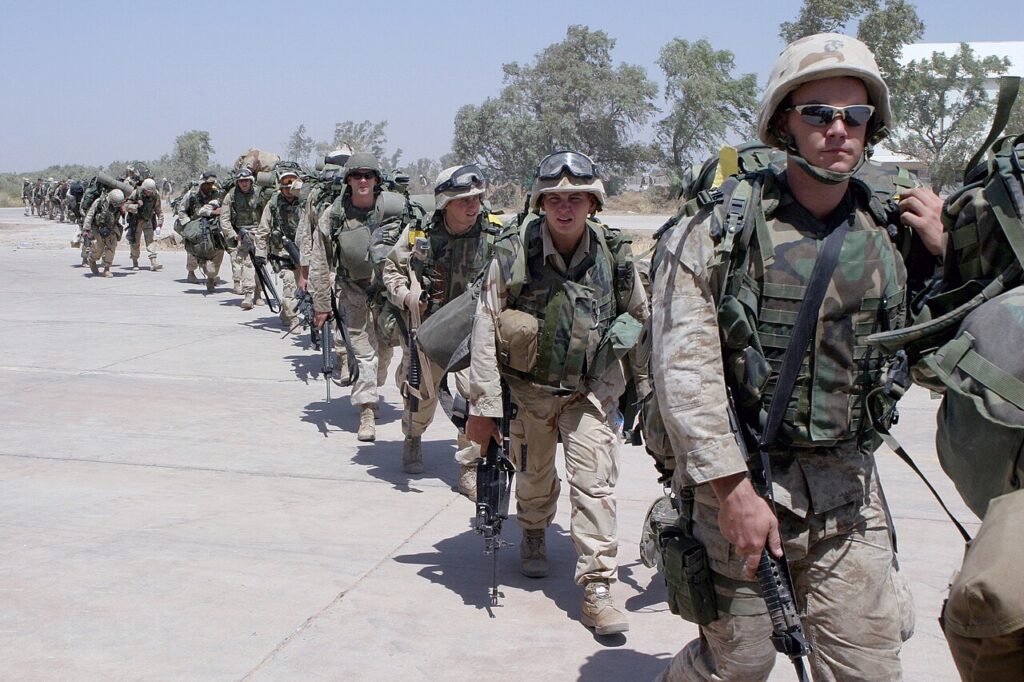
Armed US Marine Corps (USMC) Marines assigned to Lima/Company, 3rd Battalion, 23rd Marine Regiment, line up to board a transport aircraft at Blair Field in Al Kut, Iraq, during Operation IRAQI FREEDOM. Photo: USMC/National Archives
The Iraqi leadership has sought to avoid direct involvement in Iran’s regional confrontations. It has also attempted to improve relations with Saudi Arabia and other Arab states.
In my view, the Iraqi prime minister’s visit to Saudi Arabia after the Houthi attacks was an important political signal.
Even more significant was the subsequent visit of Yemen’s internationally recognised foreign minister to Baghdad, at the invitation of the Iraqi government. That demonstrated Baghdad’s recognition of Yemen’s internationally acknowledged government rather than the Houthi authorities. Taken together, these developments suggest that Iraq is no longer willing to function simply as an extension of Iranian regional policy.
But what about the Iranian-backed militias operating in Iraq? Can the Iraqi government really control or disarm them?
In my assessment, their position has weakened considerably. For years, these militias justified their existence by arguing that American troops were occupying Iraq and that armed resistance was therefore necessary.
They maintained that once the Americans withdrew, they could disband their organizations.
As the American military presence was reduced, and after the 30th of September, when the U.S. troops left Iraq, that justification became increasingly difficult to sustain.
Meanwhile, Washington also put pressure on Baghdad to bring armed groups under state control. Disarmament is not straightforward.
These militias have thousands of members, weapons, financial resources and political connections.
But the important point is that the Iraqi leadership has incentives to reduce the autonomy of these groups. The remaining challenges are both political and practical. Some groups will undoubtedly resist.
Nevertheless, I believe the Iraqi government is increasingly capable of containing them.