
 By
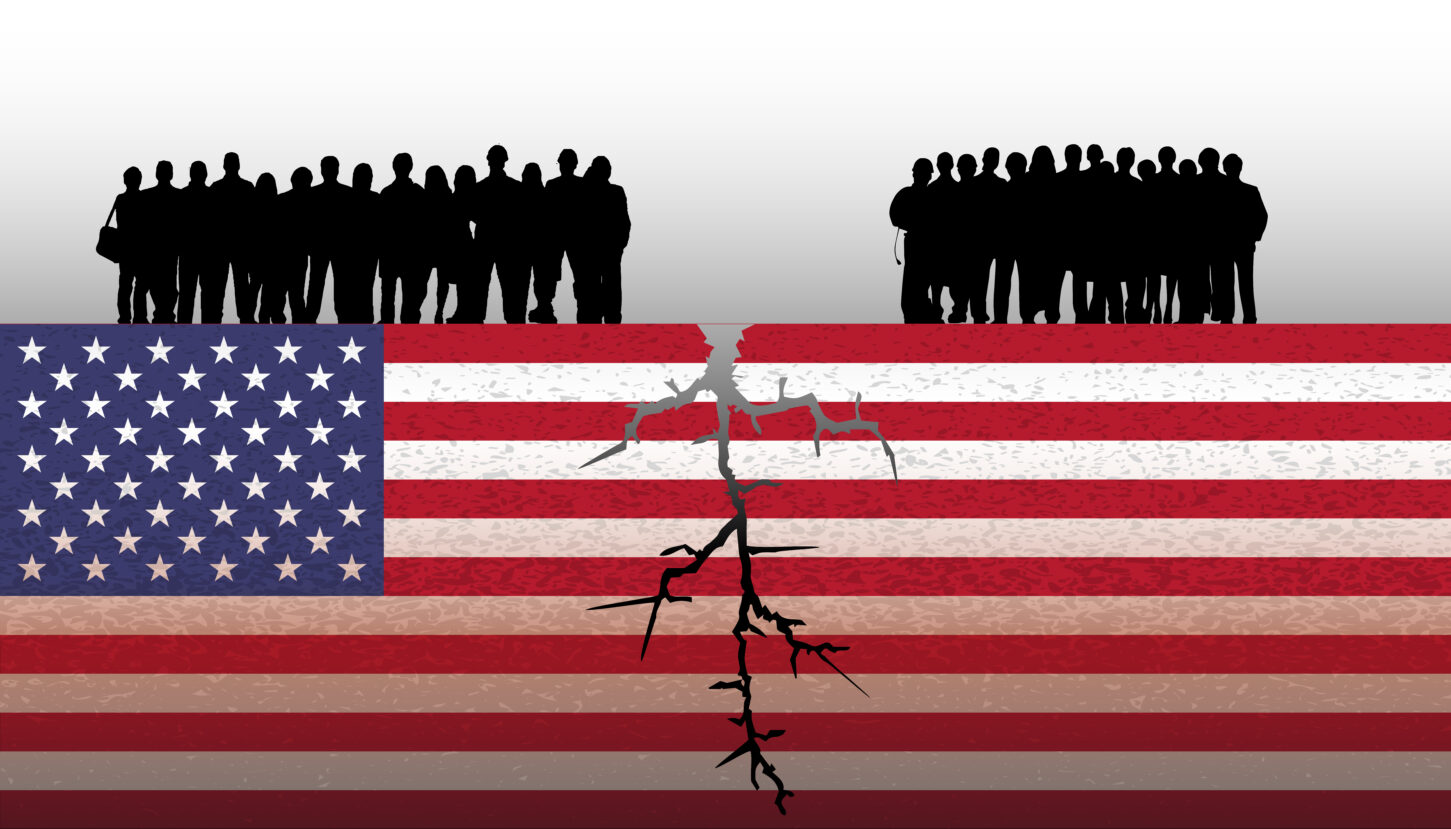
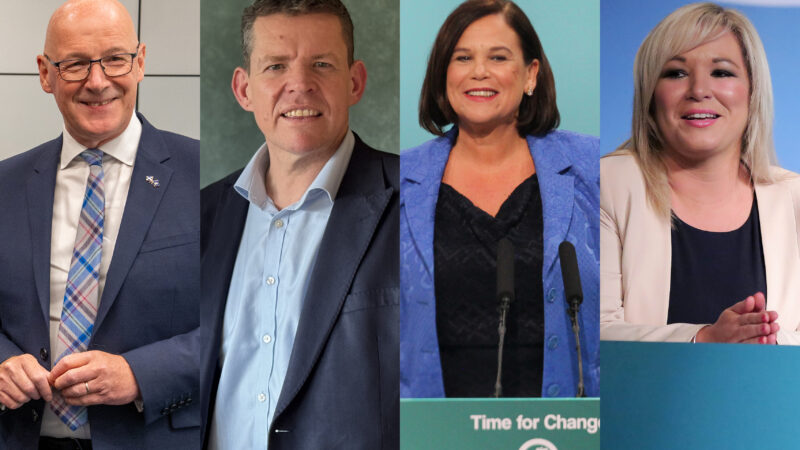
By After pro-independence leaders of Scotland, Wales, and Northern Ireland signed a Memorandum of Understanding in Cardiff on 14 September calling for constitutional changes, discussions online quickly shifted to the end of the UK and the independence of each nation.
However, as Brexit showed, disentangling economic and political ties takes time – and the British nations are far more connected than the UK ever had been to the EU and there a number of hurdles that will delay disunification.
The Material Issues
Pro-independence ideologies never faded within the three devolved nations: Scotland, the second-most-populous nation, was the most adamant about independence, with the Scottish National Party (SNP) elected in 2007 and remaining ever since, despite losing the 2014 independence referendum.
The reasons behind the ‘No’ vote to Scottish independence paint a fairly clear picture of the issues that are the most significant obstacles in breaking up the UK at large: economy, funding, and defense.
Economically, UK nations are natural trade partners. London is a comfortable fiscal center, and the pound is a strong currency – what would nations do without the Bank of England?
In terms of funding, England bankrolls most of the UK, including devolved issues. While the Scottish, Welsh, and Northern Irish parliaments can legislate education, health, tourism, policing, and even some part of energy and economic development, the funding continues to come mostly from Westminster.
In order to equalize funding across the country the Barnett Formula was developed: it necessitates that if Westminster decides to increase funding in, for example, health in England, the equivalent should apply in the devolved nations, with a similar amount depending on their population. This continues to provide the most funding for each devolved nation, even Scotland, where the Barnett Block Grant amounts to 51 percent of day-to-day spending for 2025-26.
Defense and Oil: The North Sea Issue
In terms of defense, Scotland is of paramount importance: its access to the North Sea makes it home to the UK’s nuclear submarines at HM Naval Base Clyde near Helensburgh. The Royal Naval Armaments Depot (RNAD) Coulport houses nuclear warheads, and multiple other locations provide support as well.
Scotland also facilitates natural gas and oil mining off its shores: there are several oil and gas fields, mostly accessed through the Shetland Islands and Aberdeen.
The North Sea Transition Authority, an independent body, issues licenses, but most of the production is owned by private companies. The UK government is responsible for regulating production, receiving significant tax revenues as well as license fees. Scotland is entitled to a part of this, but most of the fiscal movement is between private companies and the UK government, though some areas are devolved and operation is tied to Aberdeen and the Shetland Islands. But Scottish laws, like environmental policies, still have an effect. If Scotland becomes independent, determining who has the right to those fields is a complex issue.
The breakup of the British Army, Royal Navy, and Royal Air Force is also a difficult question concerning all nations.
Lack of Sufficient Support
Despite such issues, there is strong support for independence in Scotland, prompting First Minister John Swinney to promise a second referendum by 2031.
Support in the other nations is lower. A Survation poll estimated 47 percent of respondents backed independence in Scotland, compared to 32 percent support in Wales. A University of Liverpool poll put independence support at 36 percent in Northern Ireland.
These numbers remain insufficient, as such, creating major legal obstacles for independence.
Devolved nations share constitutional matters with the UK; while Northern Ireland would need to accommodate the Irish Republic’s laws, Scotland and Wales would have to write up their own. Wales also remains under England’s legal jurisdiction, while Scotland must receive approval from Westminster to hold a second referendum.
What Did the Memorandum Say?
The Memorandum of Understanding set out that the three nations will “strengthen the co-operation of Wales, Scotland, and Ireland and build towards constitutional change.”
Welsh First Minister Rhun ap Iorwerth stated when he was first elected that he would put the independence debate on hold during his first term and instead focus on vital issues, like education and the economy. However, he also brought up independence to begin an “open conversation” about what a potentially independent Wales would look like.
Scotland has long stated it was hoping to return to the EU once it became independent, but the legality of such a situation is questionable. Northern Ireland’s situation is even more precarious, as rejoining Ireland would require the Irish Republic’s majority support and potential EU stipulations.
Independence is seen as an idealist subject because the alternative is rarely discussed. The possibility of alternatives is always intangible, while remaining is simple to imagine.
The calls for independence signal dissatisfaction with the Westminster system, especially with the revolving-door leadership at Downing Street. Devolved nations are calling for better cooperation among their nations and more local control – with independence as a long-term threat rather than an immediate reality.
But first ministers would do well to heed these warnings to keep it this way.